💰 Financial
8 min read
How Much Do Clinical Trials Pay? Complete Compensation Guide
Understand clinical trial compensation including stipends, travel reimbursement, and what factors affect payment amounts.
Understand clinical trial compensation including stipends, travel reimbursement, and what factors affect payment amounts.
Understand clinical trial compensation including stipends, travel reimbursement, and what factors affect payment amounts.
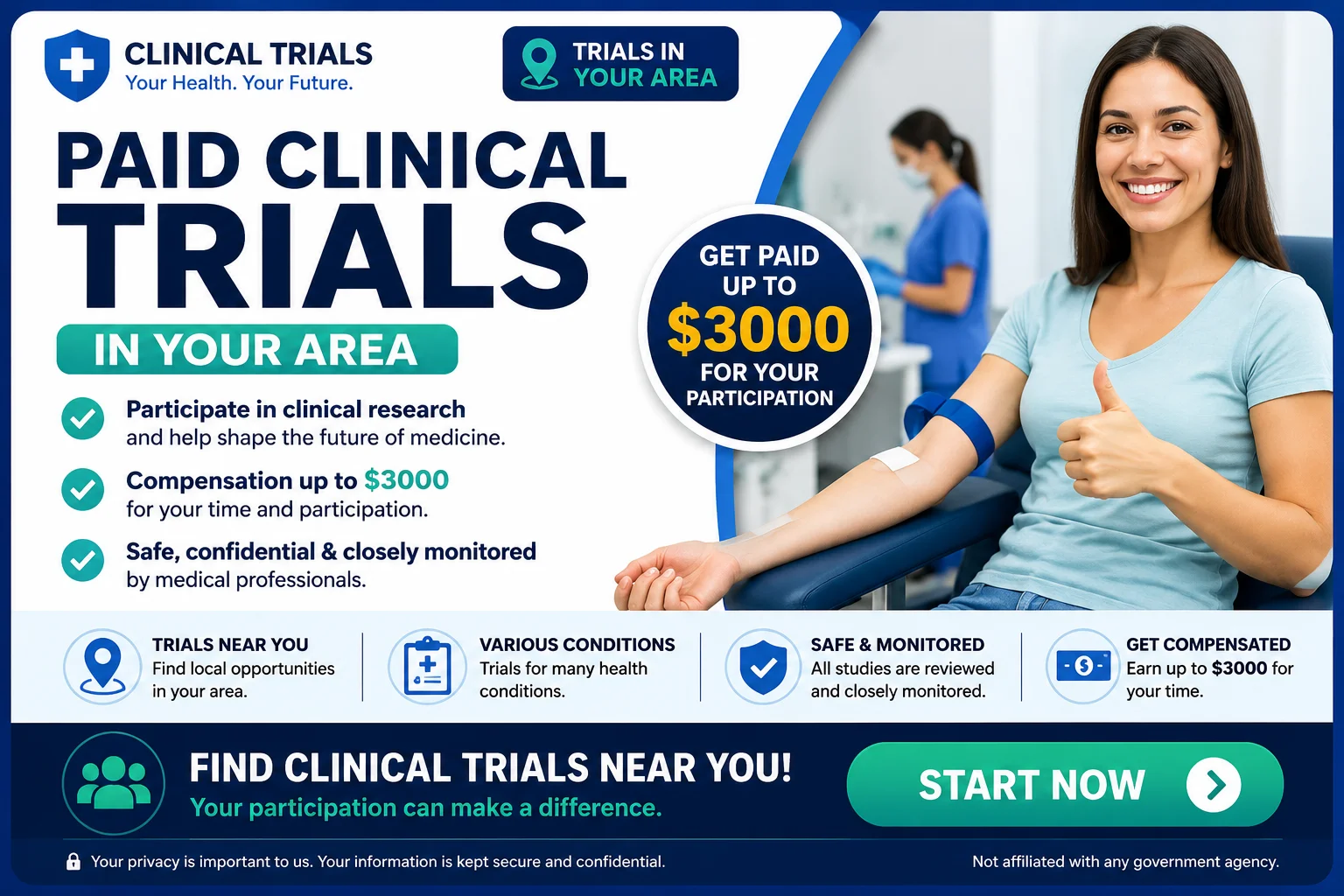
Compensation for clinical trial participation varies by study type, duration, and complexity. While some trials offer modest reimbursement for time and travel, others provide more substantial payments, particularly for studies requiring significant time commitments or invasive procedures. Compensation is designed to cover expenses and acknowledge the time contribution of participants.
Participants may receive several forms of compensation including a per-visit stipend paid at each study appointment, a completion bonus for finishing the entire study protocol, travel reimbursement for transportation and parking, and accommodation reimbursement when overnight stays are required. Some longer studies may also provide a daily or weekly stipend.
Several factors influence how much a clinical trial pays. The duration and total number of required visits play a major role, with longer studies typically offering higher total compensation. Invasive procedures such as biopsies or extended inpatient stays generally command higher payments. The complexity of the study protocol and the level of commitment required also affect compensation. Therapeutic area and study phase may influence budgets available for participant payments.
While amounts vary significantly, many outpatient clinical trials offer per-visit compensation ranging from $50 to $300. Phase 1 trials that require participants to stay onsite may offer several thousand dollars for a multi-day or multi-week stay. Observational studies involving questionnaires or minimal procedures may offer lower compensation. Some vaccine trials and healthy volunteer studies may provide higher compensation due to the specific participant profiles needed.
Clinical trial compensation is generally considered taxable income in the United States. Participants may receive a Form 1099-NEC or 1099-MISC from the study sponsor if total payments exceed $600 in a calendar year. It is advisable to keep records of payments received and consult a tax professional for personalized guidance.
Learn the basics of clinical trials, including what they are, why they matter, and how you can participate.
Learn how clinical trial payments are taxed, what forms you will receive, and how to report compensation on your taxes.
Learn about insurance coverage for clinical trial participation and what costs are typically covered by the study sponsor.
Common myths about clinical trials debunked with facts about safety, compensation, and participation requirements.
This guide is for informational purposes only and does not constitute medical advice. Always consult with a qualified healthcare provider before making decisions about clinical trial participation or any medical treatment. StudyReward does not provide medical recommendations or endorse specific clinical trials.